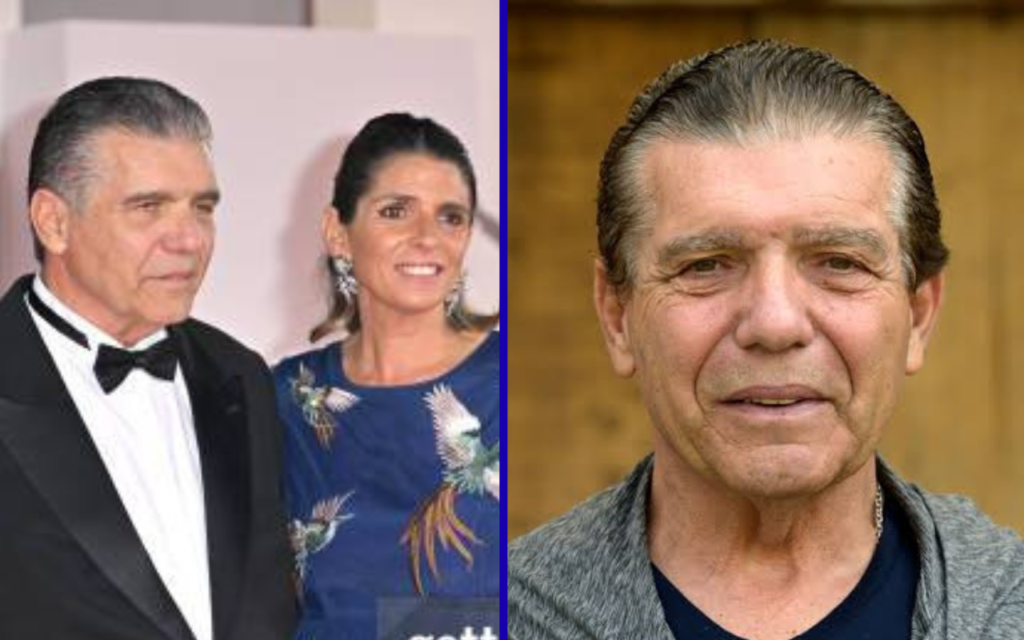

Introduction
Carlos Páez Rodríguez, widely known as Carlitos Páez, is one of the most recognized survivors of the 1972 Andes plane crash. His extraordinary story began when a Uruguayan Air Force plane carrying members of the Old Christians rugby team crashed in the Andes on October 13, 1972. Páez was only 18 years old at the time and became the youngest member of the group that eventually survived the disaster.
The crash became one of the most famous survival stories in modern history. The passengers faced freezing temperatures, injuries, avalanches, hunger and the absence of rescue. Sixteen people ultimately survived 72 days in the mountains. Páez later transformed his experience into a career as an entrepreneur, advertising professional, author and motivational speaker. His story also became part of the Netflix film Society of the Snow, in which he portrayed his own father, the famous Uruguayan artist Carlos Páez Vilaró.
Who Is Carlos Páez Rodríguez?
Carlos Miguel Páez Rodríguez was born on October 31, 1953, in Montevideo, Uruguay. He is the son of renowned Uruguayan artist Carlos Páez Vilaró and Madelón Rodríguez Gómez. He grew up in Montevideo and attended Stella Maris College in the Carrasco neighborhood. As a young man, he became involved in rugby and played for the Old Christians Club.
Páez was living a relatively privileged life before the Andes disaster. In later interviews, he has explained that he was a young man who had not experienced serious hardship before the crash. The disaster forced him to grow up quickly and learn how to survive in circumstances that were almost impossible to imagine.
That transformation became one of the central themes of his later career. Páez has often described his experience in the Andes as a second beginning in his life. The experience changed his understanding of responsibility, teamwork, leadership and perseverance.
Carlos Páez Rodríguez and the 1972 Andes Plane Crash
On October 13, 1972, Páez traveled with members of the Old Christians rugby team and other passengers aboard Uruguayan Air Force Flight 571. The aircraft was flying toward Chile when it crashed in the Andes Mountains.
Páez was 18 years old when the accident occurred. He was the youngest of the survivors and turned 19 while trapped in the mountains. The survivors were left at an extremely high altitude in severe weather, with very little food, limited clothing and no realistic expectation that help would arrive quickly.
The disaster killed many passengers immediately or during the first days. Others died later, including people who were killed by an avalanche that struck the wreckage. Eventually, 16 people survived the ordeal and were rescued after spending 72 days in the mountains.
The survivors faced conditions that tested every aspect of human endurance. They had to protect themselves from freezing temperatures, find ways to obtain water and food, treat injuries and maintain hope despite the enormous distance between them and civilization.
His Role Among the Survivors
Although Páez was one of the younger members of the group, he contributed to the survivors’ efforts in several ways. One of the tasks associated with him was helping create a sleeping bag used by Fernando Parrado and Roberto Canessa during their eventual expedition away from the wreckage.
He was also known for maintaining morale among the group. Reports about the survivors describe him as someone who used humor and other small acts to help the group cope with the frightening circumstances around them. He also prayed the rosary each night.
The group eventually realized that waiting passively for rescue was not enough. Fernando Parrado and Roberto Canessa made the extraordinary decision to travel through the mountains in search of help. Their journey eventually brought them into contact with Chilean muleteer Sergio Catalán, which led to the survivors’ rescue.
The rescue occurred in December 1972, after the group had spent approximately 72 days in the Andes.
His Father Carlos Páez Vilaró and the Search
Carlos Páez Rodríguez’s father played a remarkable role in the search for his son. Carlos Páez Vilaró was already a famous Uruguayan artist when the plane disappeared. Instead of accepting the initial uncertainty surrounding the search, he traveled to Chile and became personally involved in efforts to find his son.
Páez Vilaró maintained contact with rescue authorities and pursued information about the missing aircraft. According to the official Society of the Snow website, he searched through a variety of methods, including traveling on foot and horseback and hiring private aircraft.
His determination continued during the weeks when the families of the passengers had little information about what had happened. He refused to give up hope that Carlitos was still alive.
When the survivors were finally rescued, Páez Vilaró was able to reunite with his son. Their relationship became one of the emotional elements surrounding the Andes story, and the father’s search was later documented in his book Entre mi hijo y yo, la luna.
Life After the Andes
Surviving the crash was only the beginning of another difficult chapter for Carlos Páez. After returning to Uruguay, he pursued studies and eventually worked in agriculture. He spent approximately ten years working as an agricultural technician before changing professional direction.
In 1992, Páez entered the advertising industry. He worked with Nivel-Publicis and later founded his own advertising agency, Rating Publicidad. He also served as director of Bates Uruguay Publicidad.
His professional transition demonstrates how different his post-Andes life became from his teenage years. Rather than allowing the crash to define every aspect of his future, he developed a career in business and communications.
Eventually, his experience as a survivor became an important part of his professional identity. He began giving motivational talks and speaking to companies and organizations about leadership, teamwork, decision-making and resilience.
Carlos Páez Rodríguez as a Motivational Speaker
Páez became a motivational speaker after recognizing that his experience in the Andes contained lessons that could be applied to everyday life and business. Since the early 2000s, he has spoken to audiences about what he learned during the disaster and during the difficult process of rebuilding his life afterward.
His presentations commonly focus on leadership, teamwork, adapting to unexpected circumstances and taking action during a crisis. His central message is that people often discover abilities they did not realize they possessed when they are placed in difficult situations.
The Andes experience also taught him that survival required cooperation. No single survivor could have endured the entire ordeal alone. Their ability to work together, divide responsibilities and make difficult decisions became essential.
Páez has used these lessons in corporate and personal-development settings for many years, making his story relevant far beyond the world of aviation or mountaineering.
His Books and Writing Career
Carlos Páez has also documented his experience through books. One of his best-known works is Después del día diez, which explores what happened after the official search was suspended and how the survivors responded to the realization that they could no longer depend on an outside rescue team.
He also wrote Mi segunda cordillera and Desde la Cordillera del Alma. His writing examines not only the physical struggle in the mountains but also the psychological challenges that followed his return to ordinary life.
The title Después del día diez reflects an important idea in his story. When the official search effort was suspended, the survivors understood that they had to take greater responsibility for their own fate. Páez has later used this moment as a metaphor for difficult periods in people’s lives when they must stop waiting for someone else to solve a problem and begin acting themselves.
His Family and Children
Carlos Páez Rodríguez is a father of two children, María Elena de los Andes, known as Gochi, and Carlos Diego. Sources also report that he has grandchildren.
His family has remained an important part of his life after the Andes. The names of his children also carry connections to the tragedy and to people associated with his experience.
Unlike his professional speaking career, Páez has generally kept many details of his family’s private life away from the center of media attention. Most public coverage focuses on his survival story, professional work and appearances connected with Society of the Snow.
His role as a father also represents another important part of the life he built after surviving the disaster. Instead of being remembered only as the teenager trapped in the Andes, Páez has spent decades developing a family, career and public identity of his own.
His Struggle After Returning Home
Páez has spoken openly about the fact that surviving the Andes did not mean that all of his problems were over. After returning home, he experienced difficulties with alcohol and drug addiction. He has described this later struggle as another mountain or “second cordillera” that he had to overcome.
This part of his story is particularly significant because it shows that survival can involve challenges long after an immediate crisis has ended.
The Andes experience gave Páez extraordinary resilience, but returning to normal life also required adjustment. He had to rebuild his identity, develop a career and confront personal difficulties away from the mountains.
His openness about addiction has become part of his motivational message. Rather than presenting survival as a story that ended with his rescue, he explains that people can face new challenges at different stages of life.
Carlos Páez Rodríguez in Society of the Snow
The 2023 film Society of the Snow, directed by J. A. Bayona, brought the Andes tragedy to a new international audience. The movie was based on Pablo Vierci’s book about the survivors and presented the story from the perspective of the people who lived through the disaster.
Carlos Páez had a particularly personal role in the film. Instead of simply appearing as himself, he portrayed his own father, Carlos Páez Vilaró. This created a powerful connection between the real story and the film because Páez was essentially recreating a part of his own family’s experience.
His appearance also gave the production a direct connection to one of the most emotional aspects of the Andes story: the determination of his father to find him.
The film renewed interest in the real survivors and encouraged audiences around the world to learn what happened to them after the rescue. Páez became one of the most recognizable survivors because of his continued public speaking and participation in the story’s retelling.
Carlos Páez Rodríguez’s Legacy
Carlos Páez Rodríguez’s legacy extends far beyond the fact that he survived a famous plane crash. His life demonstrates how an individual can transform an extraordinary tragedy into a lifelong message about resilience and human potential.
He went from being an 18-year-old rugby player caught in one of the world’s most difficult survival situations to becoming an agricultural technician, advertising professional, entrepreneur, author and motivational speaker.
His story has appeared in books, documentaries and films, including Alive and Society of the Snow. In the 1993 film Alive, Páez was portrayed by Bruce Ramsay, while the 2023 production allowed the real Páez to participate directly by playing his father.
What makes Páez’s story especially powerful is that he does not present survival simply as an extraordinary physical achievement. He has spent decades explaining the importance of teamwork, attitude, action and the ability to adapt when circumstances change.
Conclusion
Carlos Páez Rodríguez is one of the most remarkable survivors of the 1972 Andes plane crash. Born in Montevideo in 1953, he was only 18 when the aircraft carrying the Old Christians rugby team crashed in the mountains. He spent 72 days with the other survivors before being rescued in December 1972.
The experience transformed his life. After returning to Uruguay, he worked in agriculture before moving into advertising and business. He later became an author and internationally recognized motivational speaker, using the lessons of the Andes to discuss leadership, teamwork, resilience and personal responsibility.
His family story is also an important part of his legacy. His father, Carlos Páez Vilaró, never stopped searching for him, while Páez later built his own family and raised two children.
The worldwide success of Society of the Snow introduced his story to a new generation. By portraying his own father in the film, Páez became directly involved in telling the story of the family that waited for him while he fought to survive.
Carlos Páez Rodríguez’s life ultimately shows that survival is not only about making it through one terrible moment. It can also mean rebuilding a life afterward, confronting new challenges and using difficult experiences to help others find the strength to continue.