
Introduction
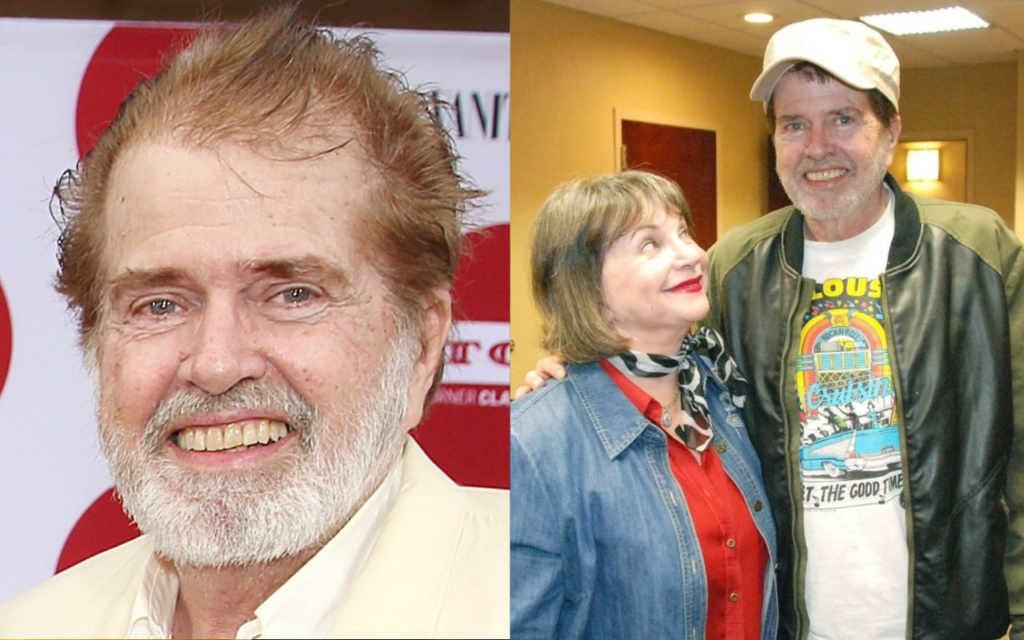
Paul Le Mat is an American actor best known for his role as John Milner in the 1973 film American Graffiti. His performance in the popular coming-of-age movie helped him gain recognition in Hollywood and opened the door to a long career in film and television. Over the years, he appeared in several well-known productions, including Aloha, Bobby and Rose, Handle with Care, Melvin and Howard, The Burning Bed, and American History X. His acting career includes comedy, drama, science fiction, horror, and television movies. Although he has maintained a relatively private personal life, his work continues to attract interest from classic-film fans.
Who Is Paul Le Mat?
Paul Le Mat is an American film and television actor born on September 22, 1945, in Rahway, New Jersey, United States. He became widely recognized during the 1970s, when his performance in American Graffiti established him as a promising Hollywood actor. His natural acting style and ability to portray believable characters helped him stand out among performers of his generation.
Le Mat became particularly associated with stories about ordinary Americans, young people, working-class life, and complicated personal circumstances. Instead of relying on exaggerated performances, he often brought a quiet and realistic quality to his characters. This approach worked well in films that focused on relationships, social situations, and everyday experiences.
Throughout his career, he worked with respected filmmakers and appeared alongside several well-known actors. His performances in Melvin and Howard and The Burning Bed also demonstrated his ability to handle serious dramatic material. According to the official Golden Globes awards database, Le Mat received three nominations and won two awards during his career.
Early Life and Education
Paul Le Mat was born in Rahway, New Jersey, and later grew up in California. He graduated from Newport Harbor High School in 1963. After finishing high school, he attended several colleges, including San Diego City College, Cypress College, Chapman College, and Los Angeles Valley College.
His early life included interests outside the entertainment industry. He developed a strong interest in boxing and competed as an amateur boxer. Biographical accounts report that he won a Southern Pacific Amateur Athletic Union championship in the welterweight division in 1972. His experience in boxing required discipline, physical training, and determination.
Le Mat eventually decided to pursue acting. He studied with acting instructors in New York and received additional training at the American Conservatory Theatre in San Francisco. These experiences helped him develop the skills necessary to work professionally in film and television.
His path into Hollywood was different from that of many actors who begin their careers immediately after school. Before receiving major acting opportunities, he explored education, sports, and military service. These experiences formed part of the background he brought to his later performances.
Military Service Before Hollywood
Before becoming a recognized actor, Paul Le Mat served in the United States Navy during the Vietnam War. Biographical accounts describe his service with a maritime patrol squadron and his work involving a Martin P-5 Marlin seaplane.
His military experience was an important stage in his life before he entered the entertainment business. Sources also report that he received the National Defense Service Medal and the Vietnam Service Medal. His time in the Navy gave him experiences far removed from the world of movie sets and Hollywood studios.
After completing his service, Le Mat continued working toward an acting career. He pursued professional training and looked for opportunities to enter the entertainment industry. By the early 1970s, he had begun securing roles that would eventually lead to wider recognition.
His background in military service, boxing, and education distinguishes his personal journey from a more conventional Hollywood story. These experiences preceded his breakthrough and helped shape the path he followed into professional acting.
American Graffiti and His Breakthrough Role
Paul Le Mat achieved his major breakthrough in 1973 when he appeared in American Graffiti, directed by George Lucas. The film follows a group of young people spending an evening together in California in 1962. It explores teenage relationships, friendships, popular music, cars, and the uncertainty of moving into adulthood.
Le Mat played John Milner, a confident young man who loves hot rods and street racing. The character became one of the film’s most memorable figures because of his relaxed personality and strong connection to car culture. Le Mat’s performance felt natural and helped make Milner a recognizable character in American cinema.
The movie also featured actors such as Ron Howard, Richard Dreyfuss, Harrison Ford, Cindy Williams, and Mackenzie Phillips. Its success helped introduce several performers to wider audiences and became an important milestone in George Lucas’s career.
Le Mat won the Golden Globe Award for New Star of the Year in 1974 for his performance. The recognition helped establish his reputation and led to additional opportunities in feature films. He later returned as John Milner in More American Graffiti, released in 1979.
Even after appearing in many other productions, Le Mat remained closely associated with John Milner. The character represented the youthful independence, automobile enthusiasm, and changing social culture that made the original film memorable.
Aloha, Bobby and Rose and Handle with Care
Following the success of American Graffiti, Le Mat received the leading role in Aloha, Bobby and Rose, released in 1975. Directed by Floyd Mutrux, the film follows two working-class characters whose relationship becomes complicated by a series of difficult circumstances.
Le Mat played Bobby, demonstrating that he could carry a feature film rather than simply appear as a supporting performer. The movie continued his association with realistic characters and stories centered on ordinary people facing challenging situations.
In 1977, he appeared in Handle with Care, originally released as Citizens Band. Directed by Jonathan Demme, the film explores people who communicate through citizens band radio and the unexpected connections they develop. Le Mat played Spider in the ensemble production.
These films helped establish his screen identity during the 1970s. He often portrayed characters who seemed believable rather than glamorous, making his performances suitable for stories that depended on natural dialogue and character development.
His work with director Jonathan Demme also led to another important opportunity. The two later collaborated on Melvin and Howard, a film that became one of the most significant projects in Le Mat’s career.
Melvin and Howard and The Burning Bed
In 1980, Le Mat starred in Melvin and Howard, directed by Jonathan Demme. He portrayed Melvin Dummar, a gas station attendant whose name became connected to a controversial claim involving billionaire Howard Hughes.
The film explored Dummar’s reported encounter with Hughes and the unusual legal controversy surrounding an alleged will. Rather than presenting the story as a conventional heroic adventure, the production focused on an ordinary man caught up in an extraordinary situation.
Le Mat’s performance received critical attention and earned him a Golden Globe nomination for Best Actor in a Motion Picture – Musical or Comedy in 1981. The film also received Academy Award recognition in other categories.
Another major achievement came with the television movie The Burning Bed, released in 1984. Starring Farrah Fawcett, the drama was based on the case of Francine Hughes and examined the effects of domestic abuse. Le Mat played Mickey Hughes, the abusive husband.
The role required him to portray a deeply troubling character in a serious story about domestic violence. The production became widely discussed and helped bring attention to the circumstances surrounding abusive relationships.
Le Mat won the Golden Globe Award for Best Supporting Actor in a Series, Miniseries or Motion Picture Made for Television for his performance, with the award presented in 1985. This recognition confirmed that he could deliver powerful dramatic performances beyond the youthful characters that had first made him famous.
Other Movies and Television Appearances
During the 1980s, Le Mat appeared in a variety of film and television projects. His credits included Death Valley, Jimmy the Kid, and Strange Invaders. He also provided the voice of Omar in the American release of the animated science-fiction musical Rock & Rule.
His television work included productions such as The Night They Saved Christmas and the miniseries On Wings of Eagles. These appearances allowed him to work in different formats and reach audiences beyond theatrical moviegoers.
In 1989, Le Mat appeared as Alex Whitaker in Puppet Master. The horror film later became associated with a long-running franchise and developed a following among fans of cult cinema.
His willingness to take on different types of roles helped keep his filmography varied. He moved between drama, comedy, science fiction, animation, and horror rather than limiting himself to one genre. His performances during this period demonstrated his ability to adapt to different production styles and storytelling approaches.
American History X and His Later Career
During the 1990s, Le Mat continued working in television movies, independent productions, and supporting roles. One of his notable appearances came in American History X, the 1998 drama starring Edward Norton and Edward Furlong.
The film examines racism, extremist beliefs, family relationships, and the consequences of violence. Le Mat played McMahon in a supporting role. Although the part was smaller than some of his earlier leading roles, it connected him with a widely discussed film about serious social issues.
He also played Josiah Peale in Lonesome Dove: The Series and its follow-up, Lonesome Dove: The Outlaw Years. These television productions allowed him to work in the Western genre and explore stories set in a different historical environment.
His later film credits included The Outfitters in 1999, Big Bad Love in 2001, and Stateside in 2004. He also appeared in The Long Shot in 2004.
In 2008, he was associated with the documentary project Hot Rods Across America: Part 2, receiving credits as a co-executive producer and cinematographer. The project also reflected his longstanding association with automobile culture, which had been an important part of his best-known film role.
Marriage, Family, and Personal Life
Paul Le Mat married Suzanne de Passe on July 14, 1978. De Passe is an entertainment executive and producer known for her work in the music and television industries. The couple later divorced in 1994.
Some biographical sources report that Le Mat has three children, although detailed information about his family life is limited in widely available public biographies. He has generally maintained a private personal profile, and most coverage of his life focuses on his acting career and professional achievements.
His marriage to de Passe connected two people who worked in different areas of the entertainment business. While Le Mat became known primarily for acting, de Passe developed a notable career as a producer and executive.
Beyond these documented details, information about his current relationships and private activities is limited. It is important to distinguish confirmed biographical facts from unverified online claims, especially when discussing personal details about a public figure.
Awards, Achievements, and Legacy
Paul Le Mat’s awards history is closely connected to three major performances. In 1974, he won the Golden Globe Award for New Star of the Year – Actor for American Graffiti. In 1981, he received a nomination for Best Actor in a Motion Picture – Musical or Comedy for Melvin and Howard. In 1985, he won the Golden Globe for his performance in The Burning Bed.
These achievements reflect his range as a performer. His early success came from playing a young man associated with car culture, while his later recognition followed performances in dramatic stories involving complicated characters and serious social themes.
Le Mat’s filmography also shows his willingness to explore different genres. From the coming-of-age atmosphere of American Graffiti to the unusual true-story narrative of Melvin and Howard and the cult horror appeal of Puppet Master, his work covered a broad range of American entertainment.
His contribution to cinema is particularly connected to the films of the 1970s and 1980s. Although he did not maintain constant leading-man visibility throughout his entire career, his best-known performances continue to be remembered by audiences interested in classic American films.
Conclusion
Paul Le Mat built a distinctive career in American film and television through memorable performances, award-winning roles, and a willingness to explore different genres. Born in Rahway, New Jersey, in 1945, he pursued education, boxing, and military service before establishing himself as an actor.
His breakthrough as John Milner in American Graffiti brought him widespread recognition and his first Golden Globe Award. His performances in Aloha, Bobby and Rose, Handle with Care, Melvin and Howard, and The Burning Bed further demonstrated his versatility. Later appearances in Puppet Master, Lonesome Dove, and American History X expanded his career across several decades.
Although he has kept much of his personal life private, his professional achievements remain an important part of his public story. Paul Le Mat’s lasting legacy rests on his natural acting style, memorable characters, and contribution to films that continue to interest audiences today.